

Related Posts
RORC Round Britain & Ireland Race 2026
Not sure if this is on the bucket list or not 😀 Highlights from the 50th-anniversary RORC Round Britain and Ireland Race 2026—1,805 nautical miles around Britain and Ireland and one of offshore sailing’s greatest challenges. Featuring spectacular onboard footage, drone images from the start in Cowes, interviews with competitors before and after the race, […]
Færder-appellen avslogs – men resultaten är ok?
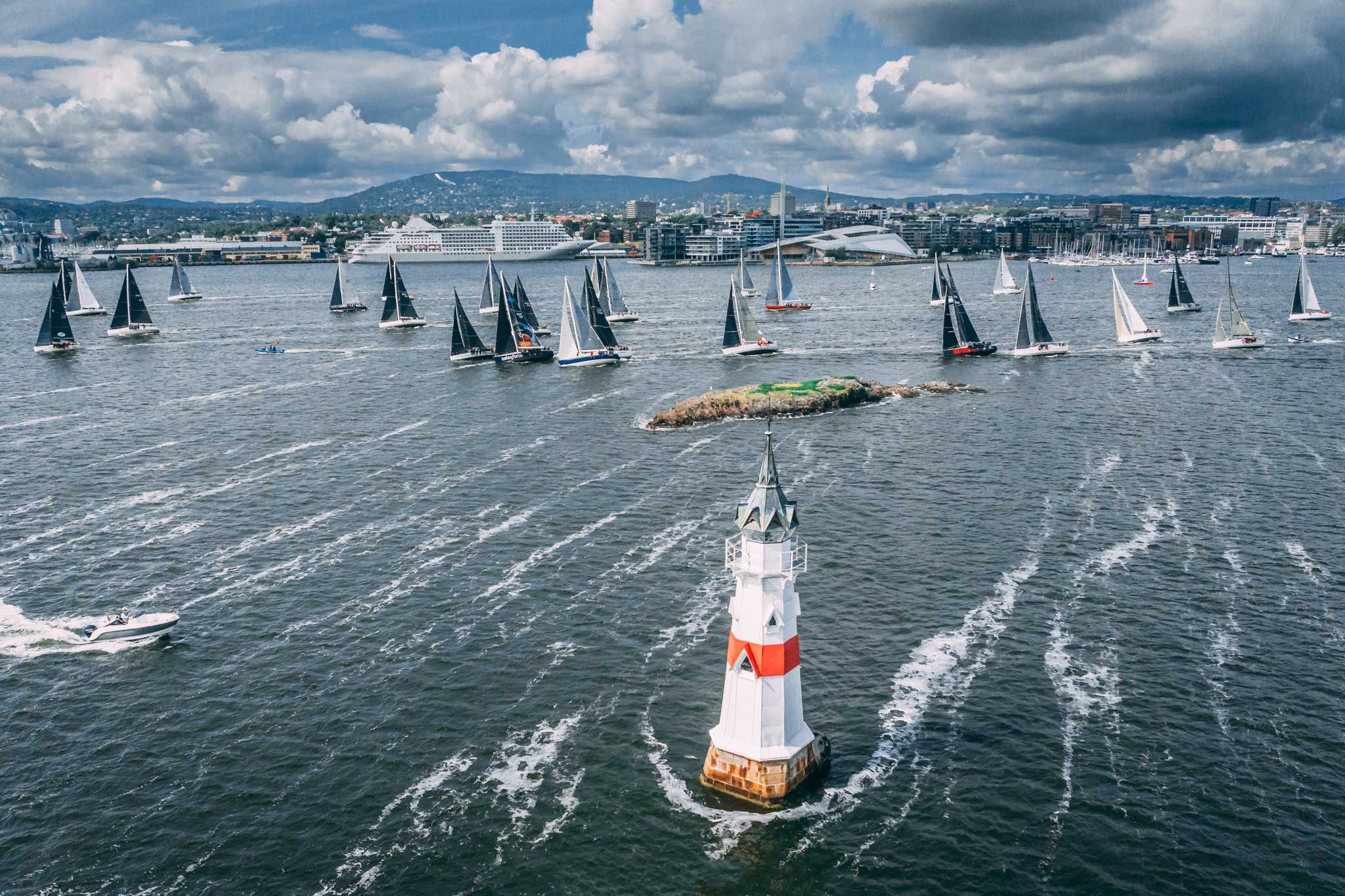
Færderseilasen 2024. Foto: Trond Teigen/KNS. Den 11 september kom beslutet. Norges Seilforbunds appellkommitté avslog Lars Helge Hatleviks överklagan av Færderseilasen 2026. Resultatlistan från 13 juni står fast. Hatlevik och Hero 70 Miniton Don’t Panic från Gjøvik förblir sjua i sin klass. Med APH hade de varit tvåa. Med trippeltal stark vind hade de vunnit. Ganska stor skillnad!!! Jag […]
Worth reading this winter: FirstShift
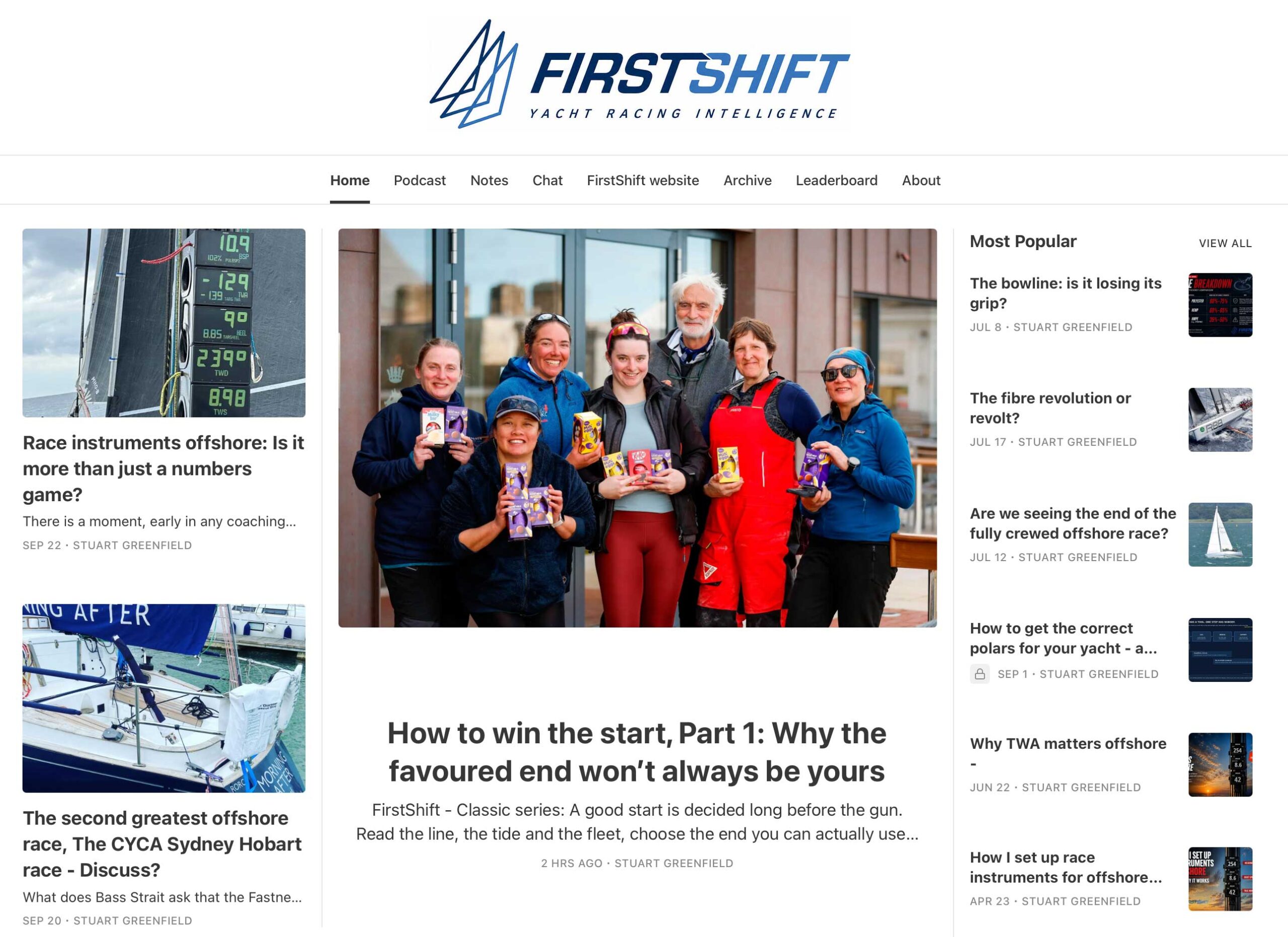
We’re taking Blur to the Rolex Fastnet in 2027. For a Baltic doublehanded crew that means tides, the Channel and IRC, which is unfamiliar territory for us. We found some useful homework at Stuart Greenfield’s Substack FirstShift. Stuart has fifty years offshore, has navigated the Fastnet and the Middle Sea Race, and writes about what actually […]
2008-03-08 @ 12:06
En båt till ett team som betalat anmälnings avgifterna?
2008-03-10 @ 15:40
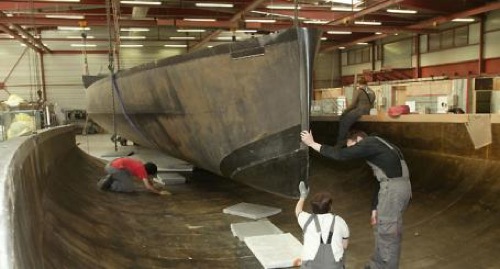
DCNS, Marc Thiercelin’s new IMOCA 60, is taking shape at Multiplast in Vannes. The hull has just been released from its mould. DCNS are building several components of the boat, including manufacturing the keel fin in a steel used for submarines.
Marc Thiercelin’s new 60 footer for the Vendée Globe is under construction at Multiplast in Vannes. The final assembly of the hull, structures and partitions has commenced, and the delicate operation of the hull from its mould has been completed by the yard. The hull of the yacht DCSN now sitting in the workshop is the result of a close cooperation between the architects of the Finot-Conq office and the Multiplast team. The deck will be joined to the deck this week.
DCNS, the new partner of the Rochelais skipper, have made several contributions to the construction of the boat. This includes a keel fin, which DCNS manufactured in a steel used for submarines. Strength and fatigue were undertaken by teams from DCNS’s Lorient site to the specifications of the boat’s architect. The keel fin was constructed by the teams from branches of DCNS in Cherbourg and Indret called upon their technological speciality (welding by an electron beam).
In addition, during the construction of the boat, the laboratory at DCNS’s Indret centre will carry out regular checks on the hull, as well as mechanical tests on the strength of carbon components. Moreover, the Brest site of DCNS will manufacture the cradle which supports the boat when she is out of the water.