RORC Baltic Sea Race 2026
After a great season so far, it was time for what would probably be the biggest challenge of the year: the 635 nm RORC Baltic Sea Race. It was our first properly long race as a double-handed crew, but we felt comfortable with the boat, our new sail inventory, and with each other.
Gotland Runt had been a real statement against a lot of good boats, and to be honest the Baltic Sea Race entry list looked a bit thin by comparison. The race was scheduled on the same dates as the ORCi Europeans in Klaipėda, and many of the Baltic boats had gone there instead. Our impression was also that RORC and the local organizers weren’t quite pulling in the same direction when it came to promoting the event. Anyhow. In the end 21 boats started in IRC, seven of them double-handed.
Still, there were boats we very much wanted to beat. J/121 Jolene above all, since they’ve been a benchmark for several seasons now. And a couple of the boats from Gotland Runt, JPK 10.30 Spirit and the Figaro 2 Amazigh, were probably keen on a rematch…

The delivery from Stockholm/Bullandö to Helsinki went well, with stops at Örö, Barösund and NJK before we ended up in downtown Helsinki.
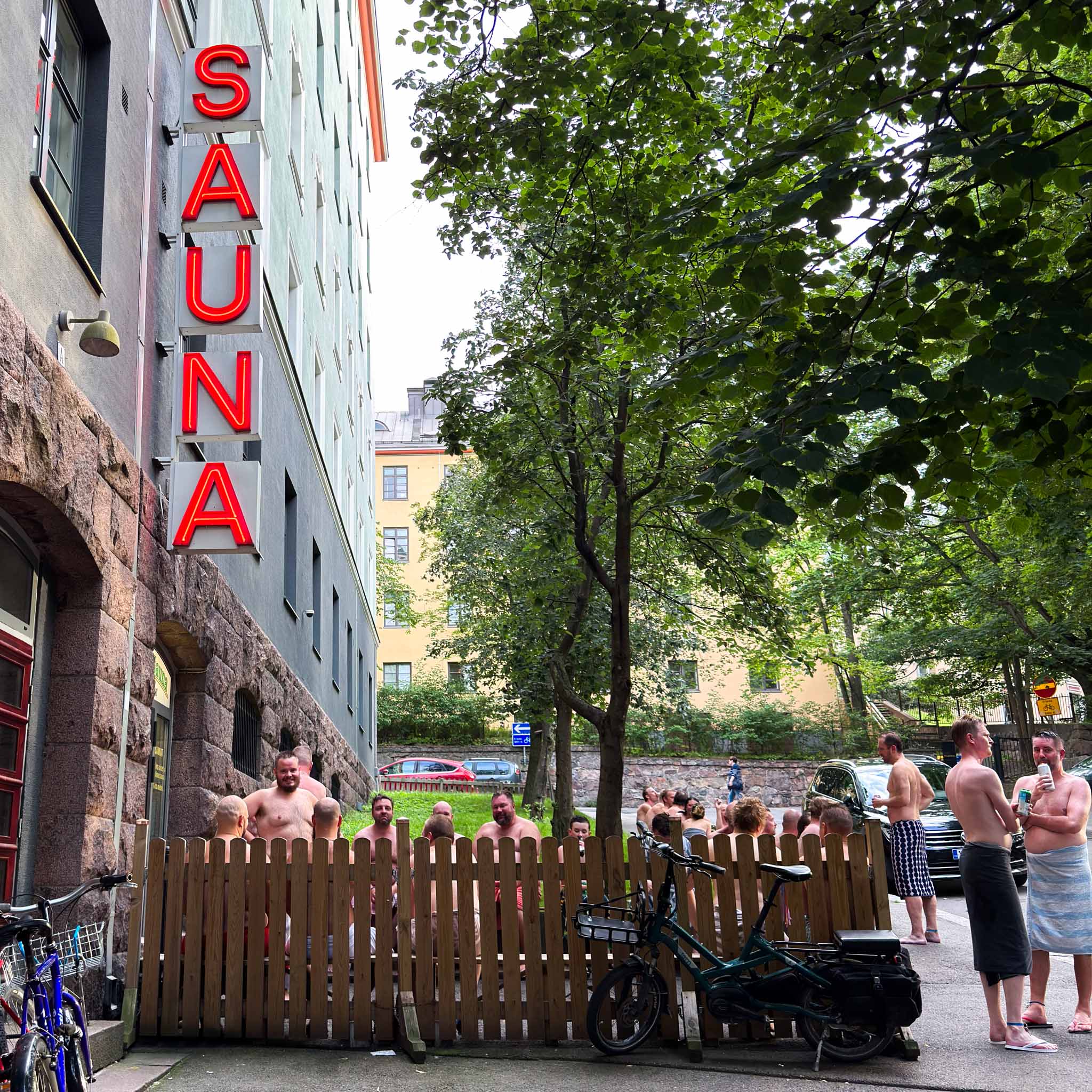
The theme, of course, was saunas, and we now have the beginnings of a Blur ranking. The Finnish archipelago also left us wanting more, and we’ll happily come back with a boat better suited to archipelago cruising (separate blog post on that coming shortly).
We also used the delivery to compare the weather models in the area. We’ve been hacking on some AI-based tools over the summer, and the first version ran during Gotland Runt. Now it was time for an updated one. In general, the models did well, and we alternated between FMI Harmonie, ICON-EU, MET Nordic, and ECMWF. In light and medium wind, they all agreed, but every one of them also tended to underestimate the wind once it came above 20 knots. We expected FMI to excel, but ICON was closest to reality.
During the week, several forecasts had shown 35+ knots, but by the skippers’ briefing things had settled around 20-25 knots for the beat across to Sweden, and then 25-35 knots and up to 2.4 m significant wave height NW of Hiiumaa on the way back after rounding Gotland.
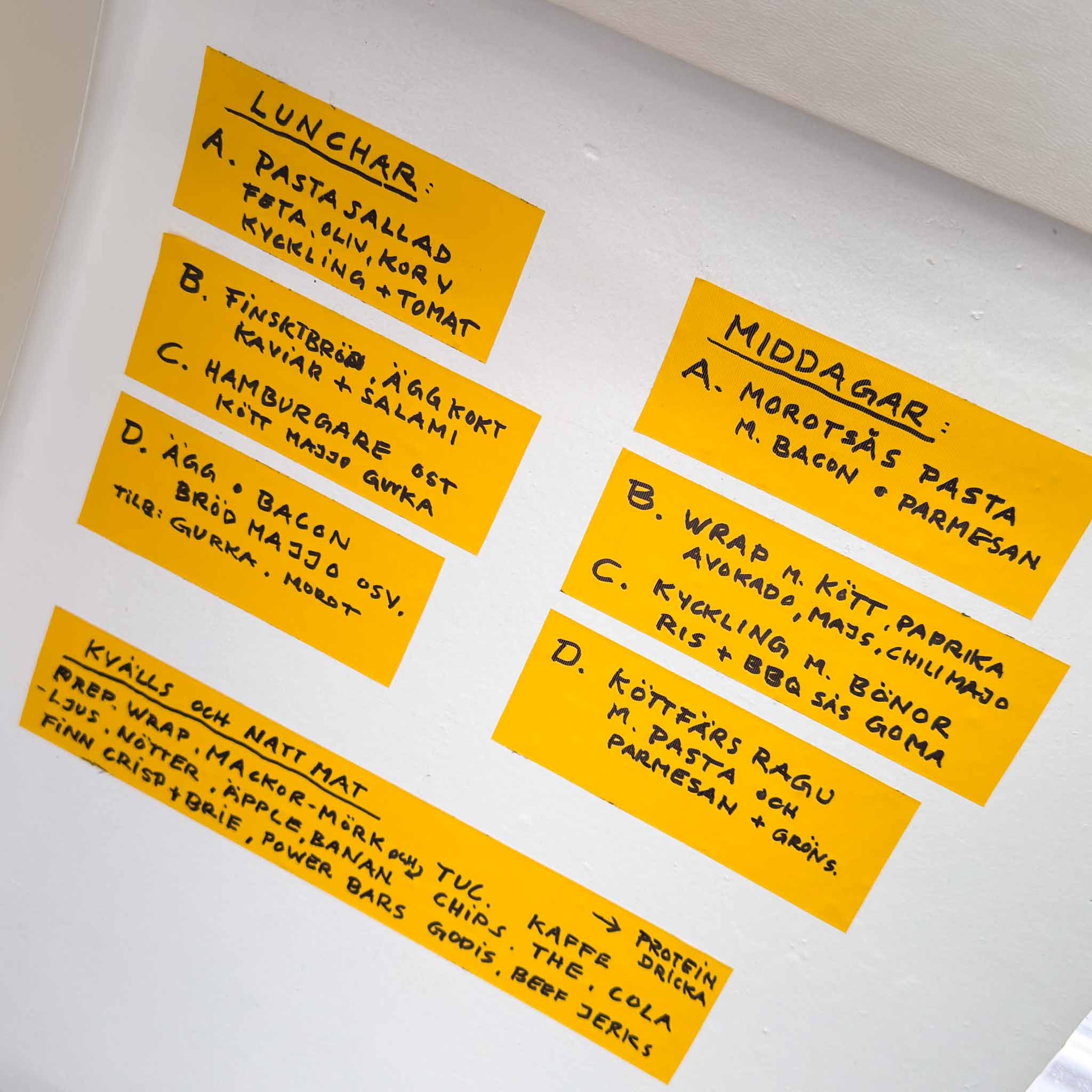
We also planned on eating well.
The start
The start area west of Suomenlinna offered perfect conditions: sun and 14 knots from 218 (SW). We nailed the start at the windward end, and then the race committee called it off… WTF! Apparently someone had lost track of the countdown.
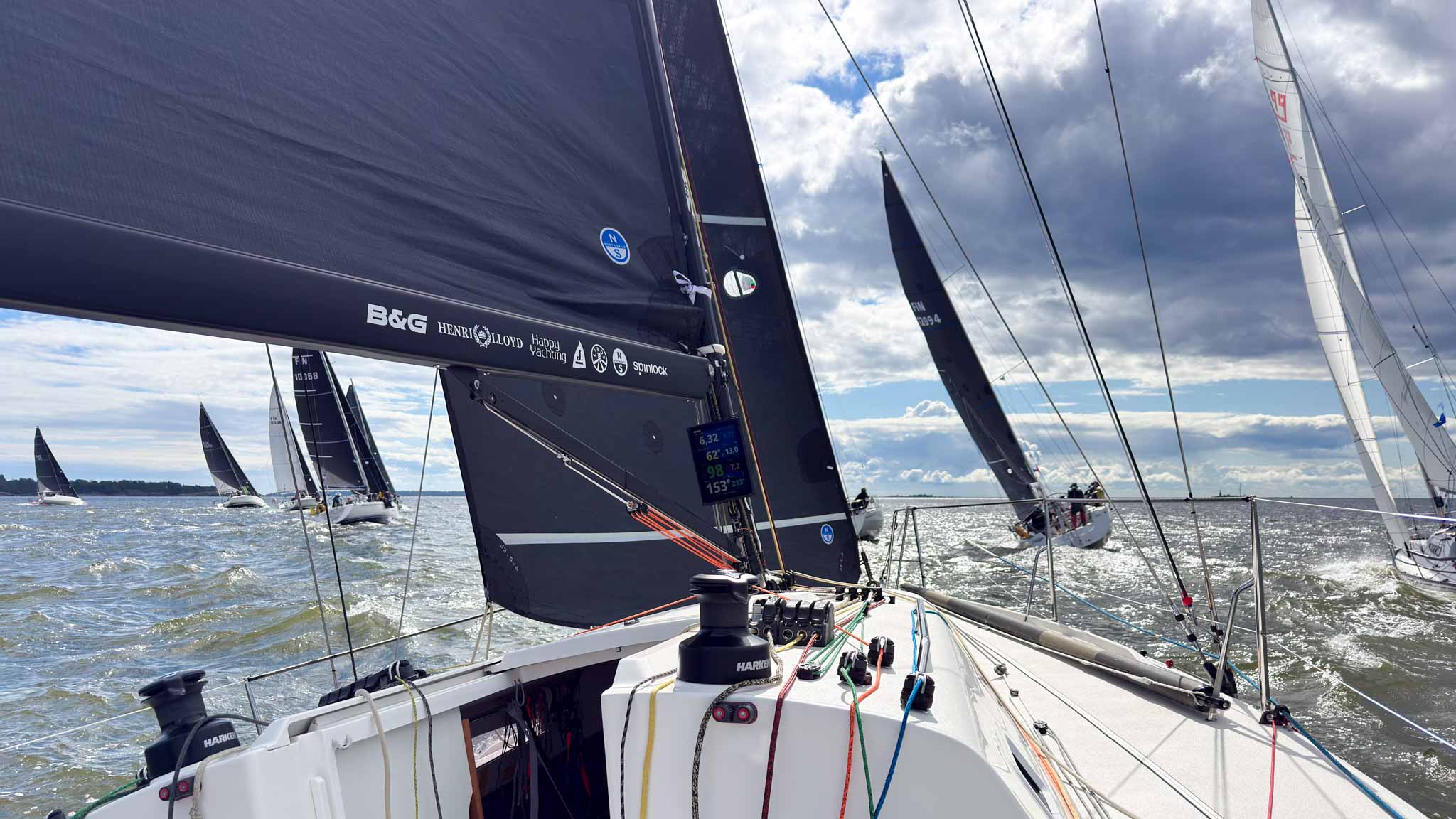
Second attempt was less successful: a perfect OCS, three or four seconds before the gun. It’s super important to get away first when you’re about to sail 600-plus miles 🙂
We managed to sail through the fleet fairly quickly anyway. First Pär and Nadine in the slowest boat in the fleet; Albin Nova Team Mobline. They were the first boat to throw in the towel after four hours of beating.
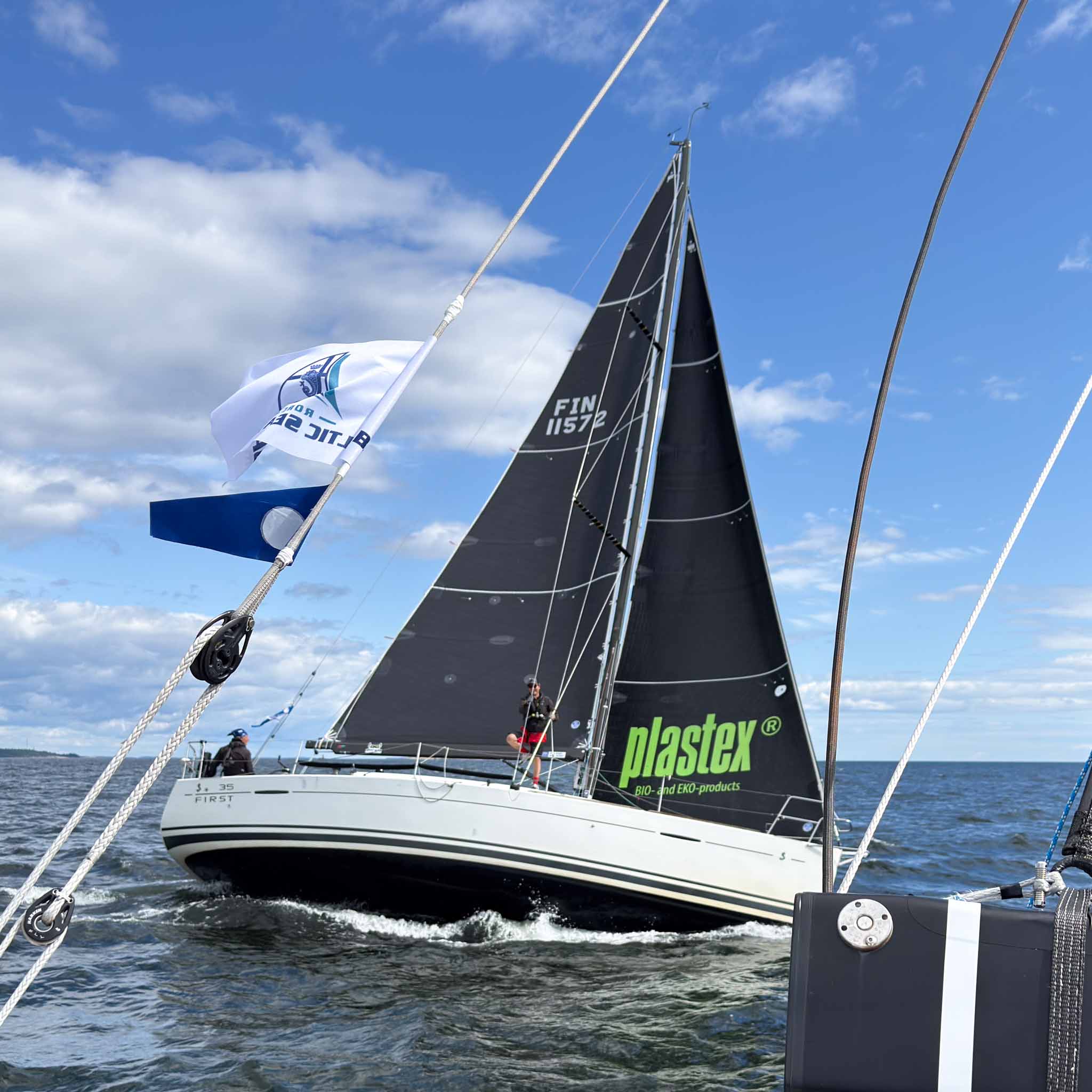
Here we pass the First 35 Bianco, who in the end took the class as the only finisher. The first leg down to Helsinki Lighthouse was upwind with a number of fixed marks. We started with J3.5 since we knew the wind should pick up, and struggled a bit when it dropped to 10-11 knots. But overall, we had good pace.
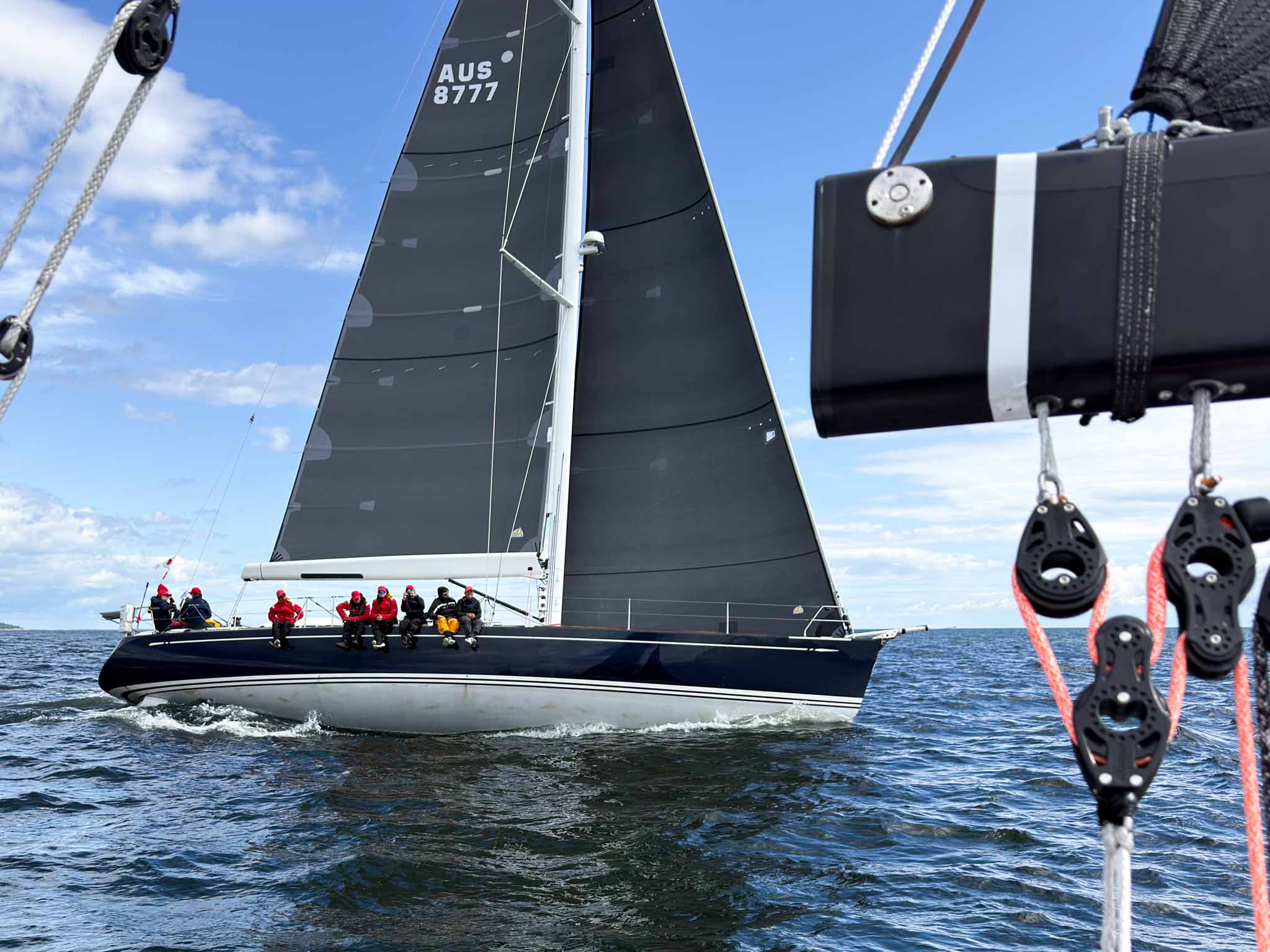
The perfect boat for this race: Linda Goddard’s Swan 53 Bedouin. After the race, she said:
“The conditions were challenging, and I’m happy to be back on land… The Baltic Sea’s short, sharp waves during the first 24 hours really surprised us. They were unlike anything we’ve experienced on bigger seas, so it was a great learning experience for the whole team.”
Leg 1: Helsinki to Hanko – the first test
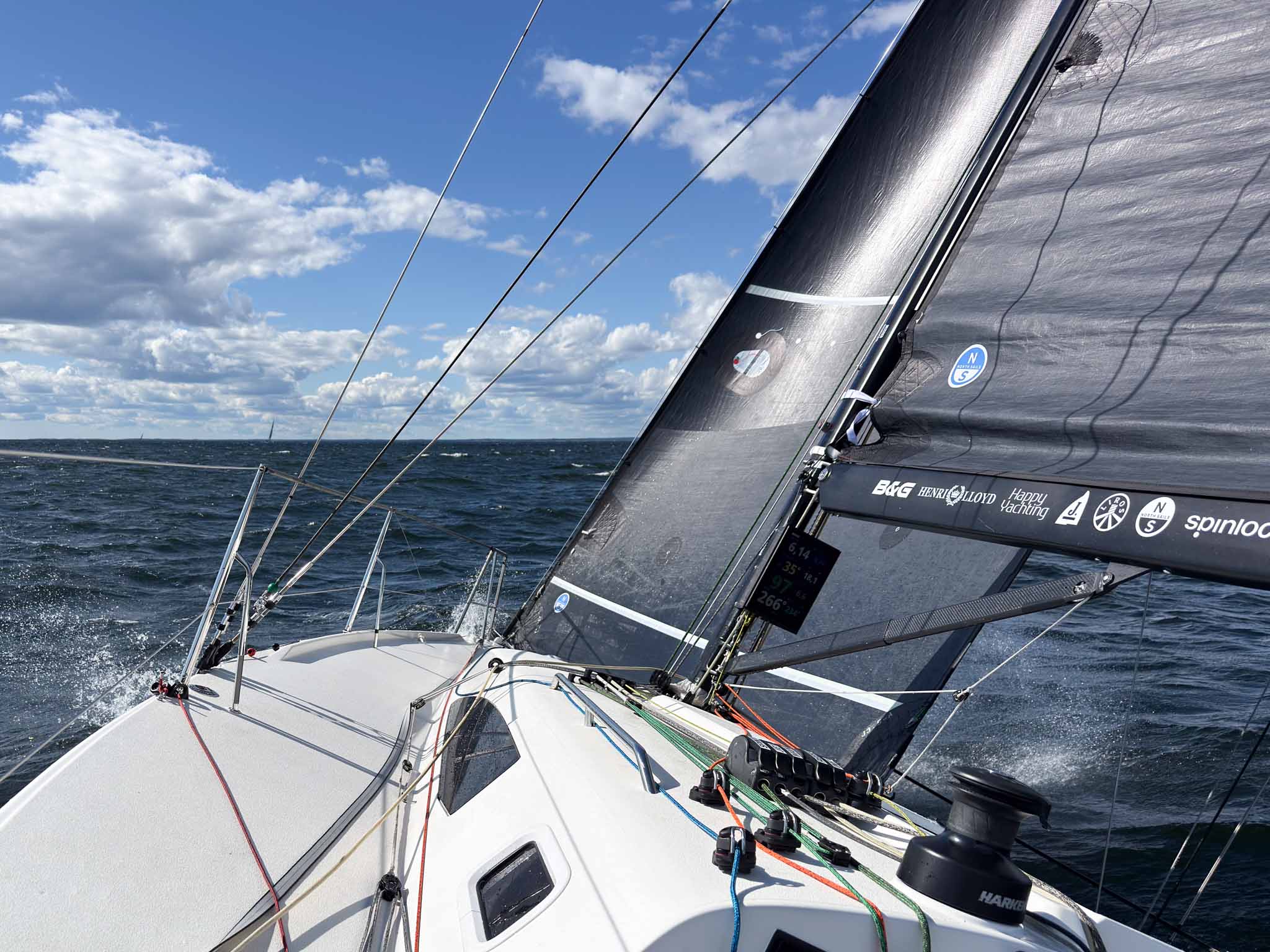
Once we got out to sea, the models pointed to the wind ticking right. We tacked immediately and stayed on the right-hand side along with most of the others. Jolene, Spirit, Amazigh and C-Me appeared to be thinking along much the same lines.

We also managed to sail past Spirit after a couple of hours and were now first on the water in IRC 2.
The first boats to fall victim to the TSS was Jolene and Bianco. Jolene cut the corner a bit too tight and sadly decided to retire. Bianco just went through the middle and got the mandatory 3-hour penalty.
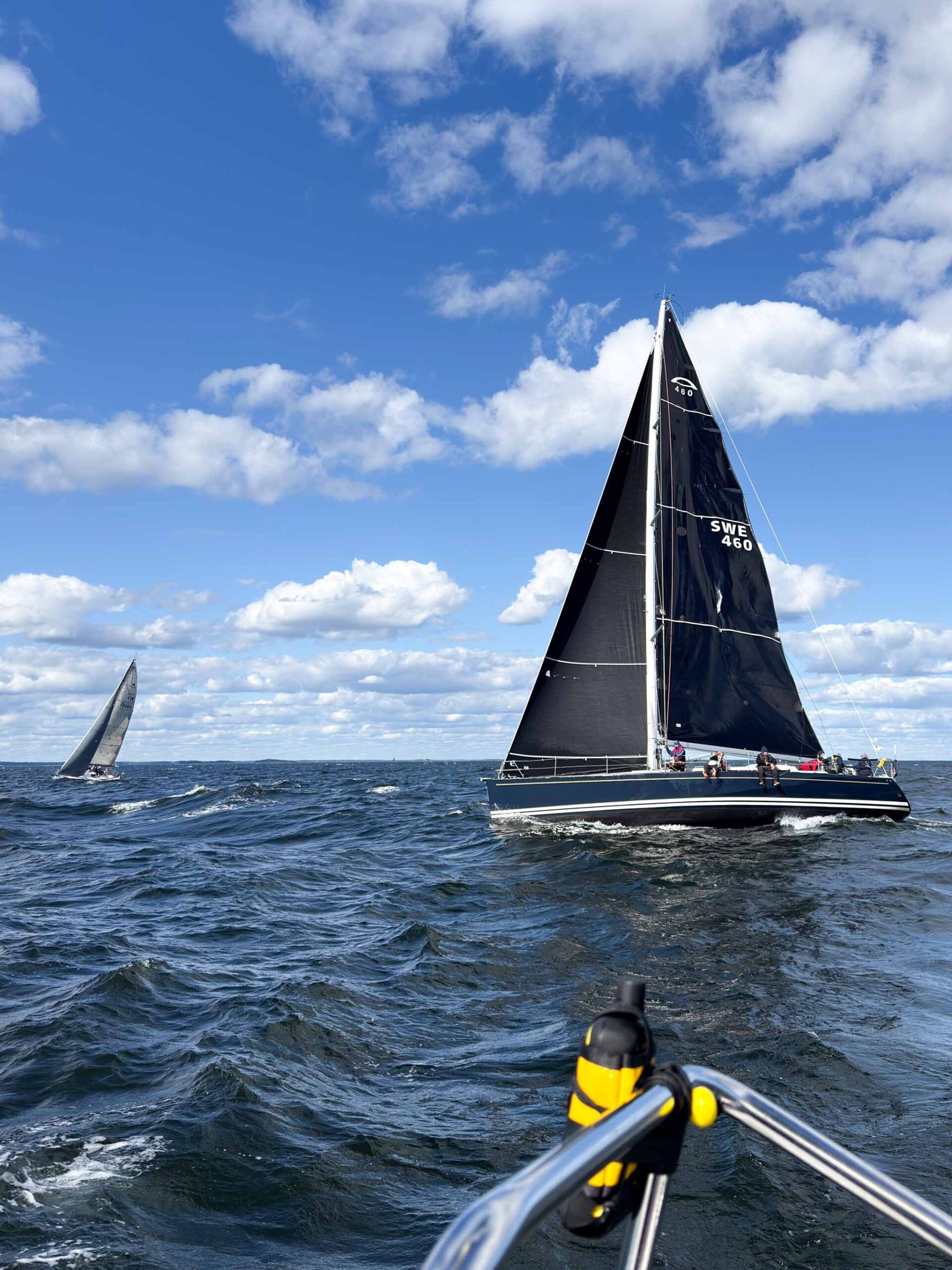
The day’s fight, somewhat unexpectedly, was with the Sydney 40 Rush and the Arcona 460 Stora Blå. They sailed past us several times, yet somehow we were still ahead of them at Alma.

Dinner time!
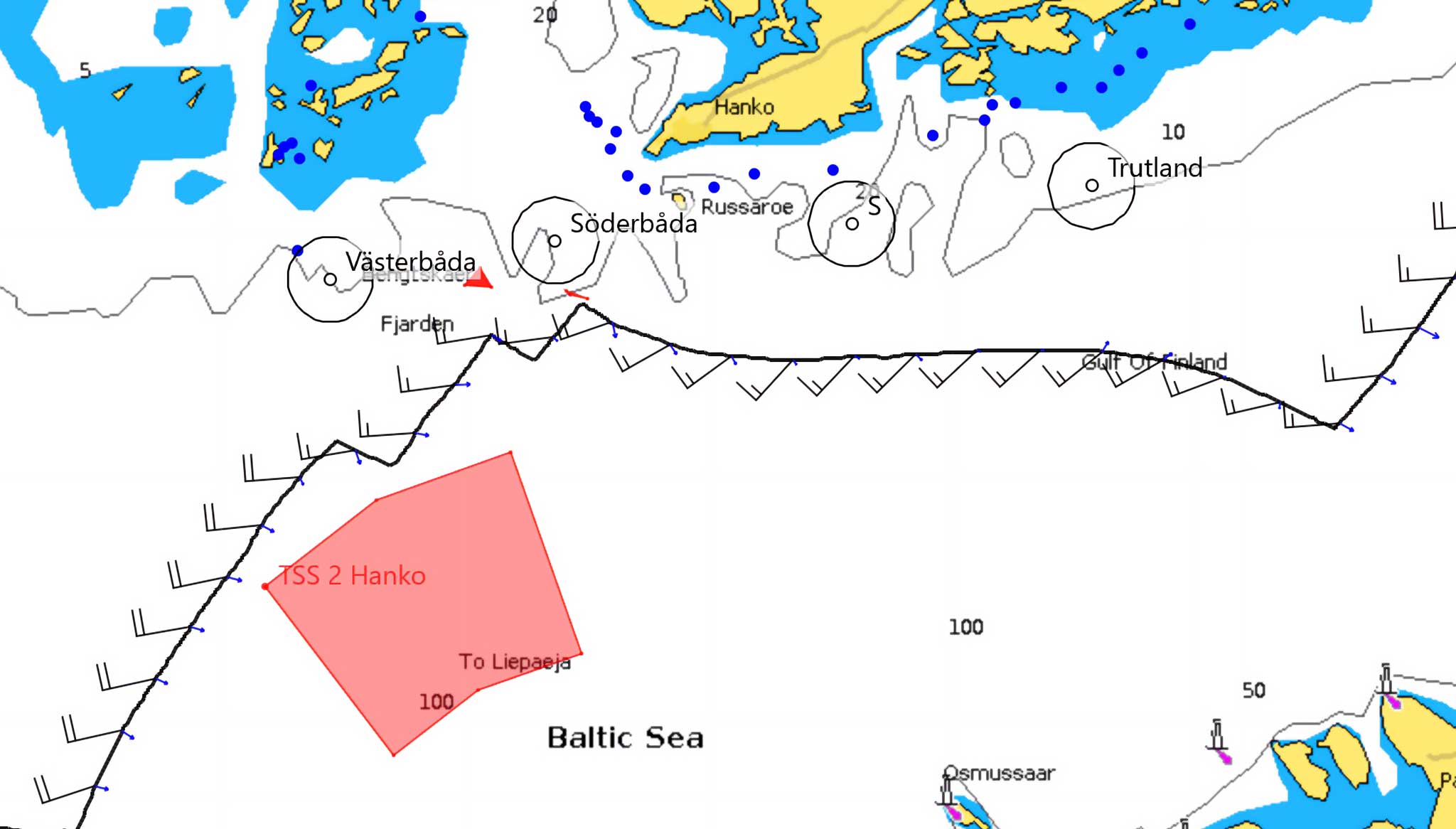
The wind peaked at 21 knots with 26-knot gusts at 16:00, TWD backing 217 to 255 through the afternoon and then swinging back to 214 by 23:00. We were the first boat in our group to tack west after the first TSS, and we think we timed it pretty well. Leaving the fleet is always a risk, but our routing was pretty clear. We ended up a bit too close to the rocks south of Hankö to get full leverage, but still extended on both Spirit and Amazigh.
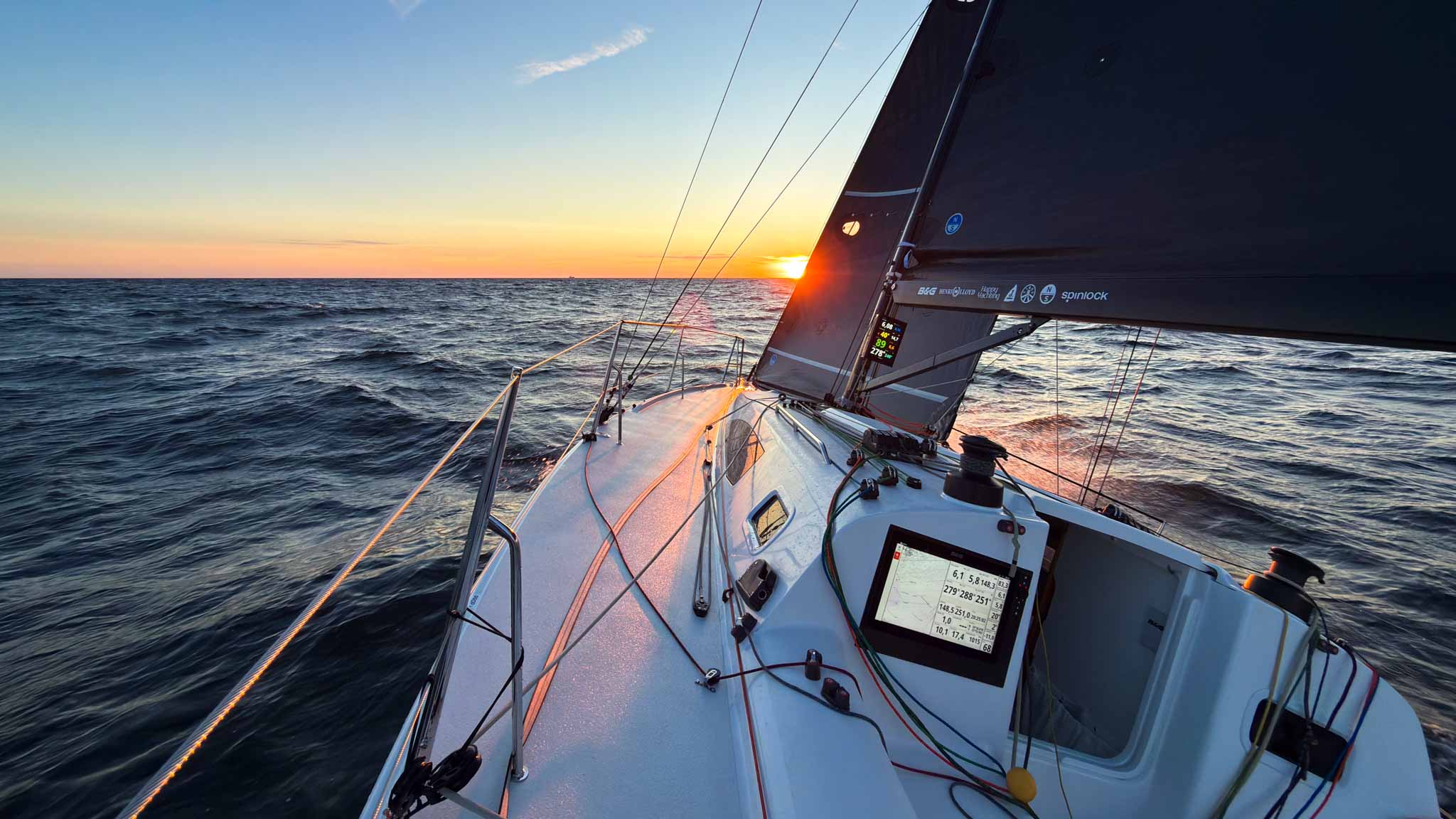
We were super happy with the first 12 hours, sticking to the big plan, playing the shifts, pushing hard and trusting our boat speed. Being third on the water after Swan 53 Bedouin and First 40 C-Me in a 33-footer wasn’t bad.
Leg 2: The crossing to Almagrundet – the heavy bit
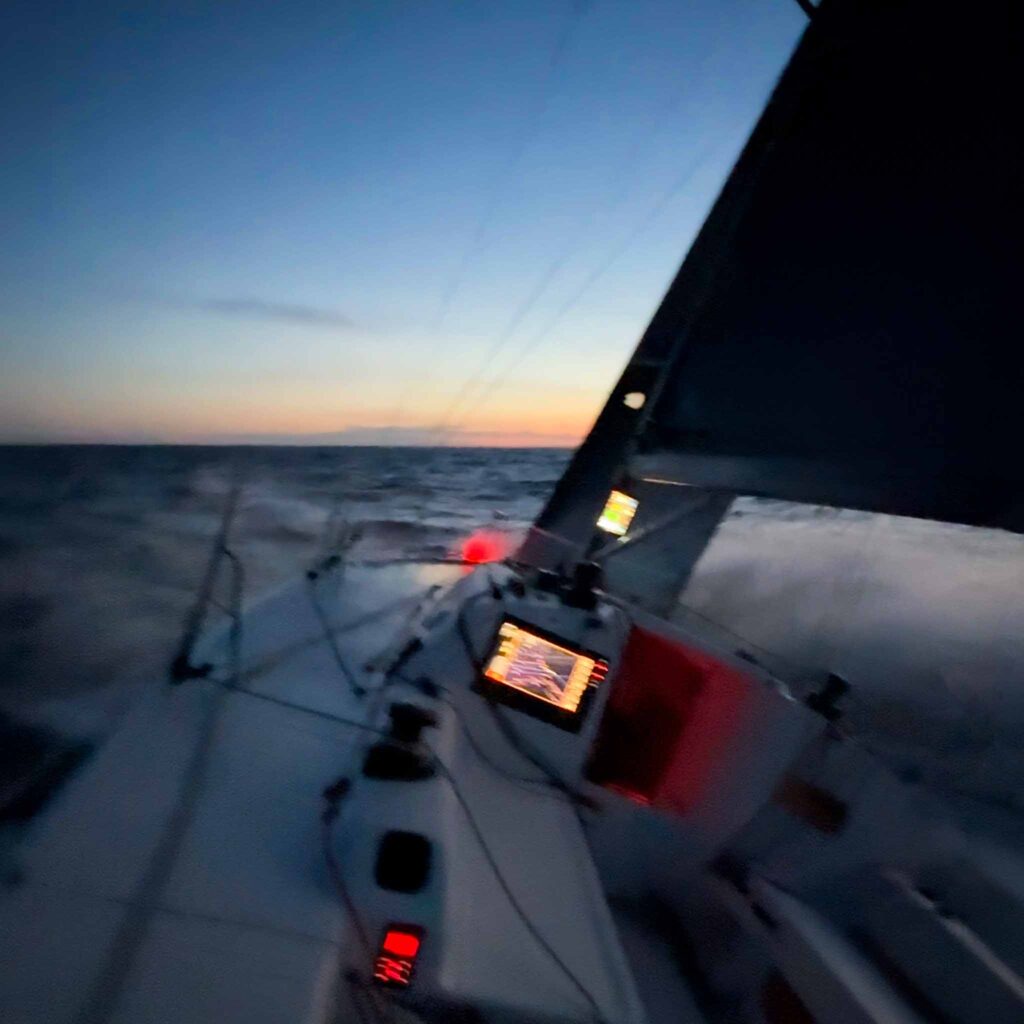
The second morning the wind picked up. From 04:00 the wind built steadily, 17 knots at 06:00, 20-21 knots median from 08:00 to 11:00, peaking at 23.5 kn median and 30-knot gusts around lunch.
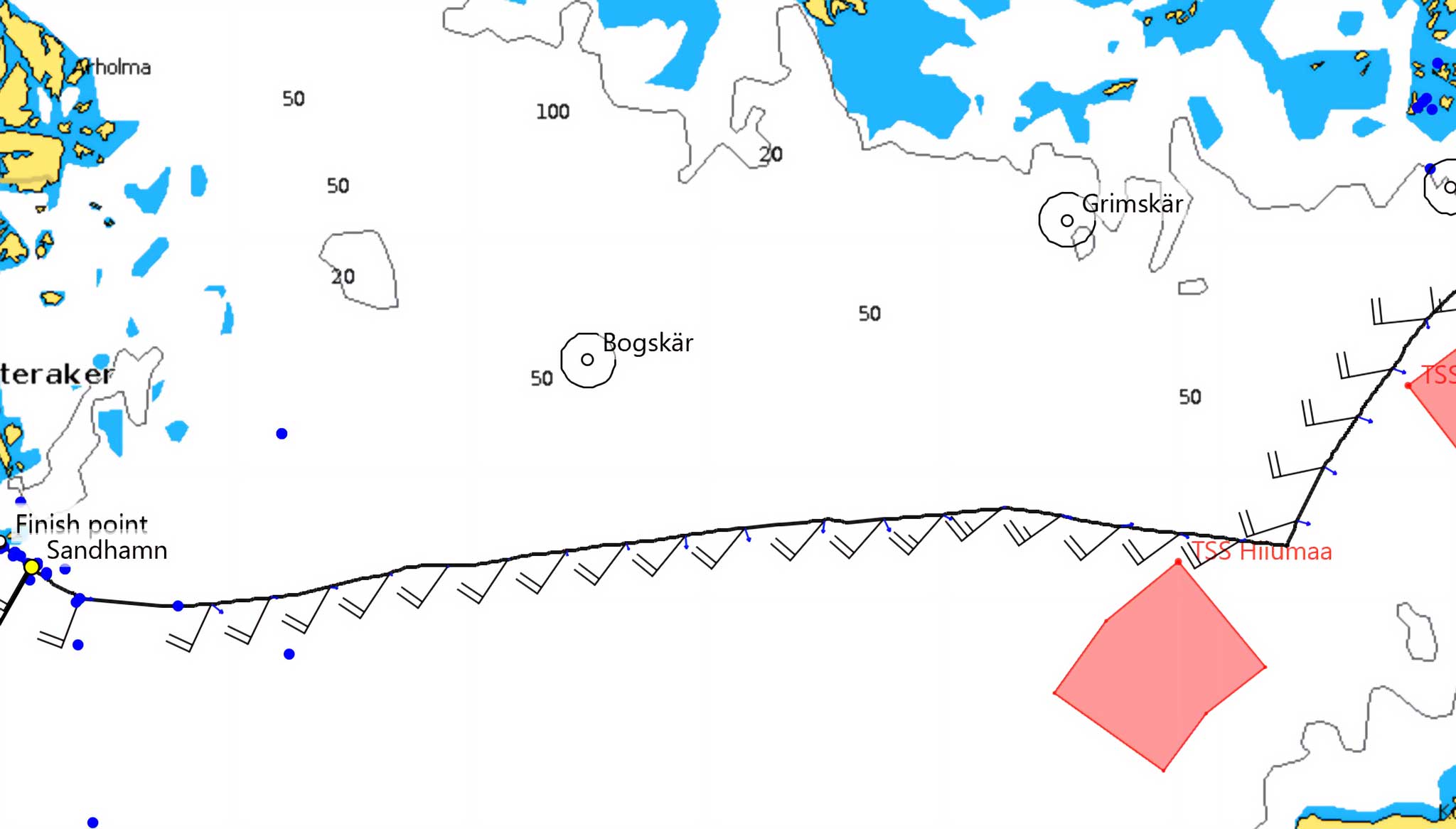
Direction 250 backing to 212 over the morning, so the crossing was a long port tack against a building sea. During the afternoon, TWA opened to 42-44 as we could crack off toward the mark.
As many others have said, the big issue was the sea state with short and very steep waves. We were sailing fast under autopilot, and the boat really likes a bit of wind. But we were constantly taking big waves over the deck, and slamming was terrible. I was sure something would break.
We’ve had similar legs in the Rolex Middle Sea Race as well as on several returns from Bermuda, but this felt more relentless.
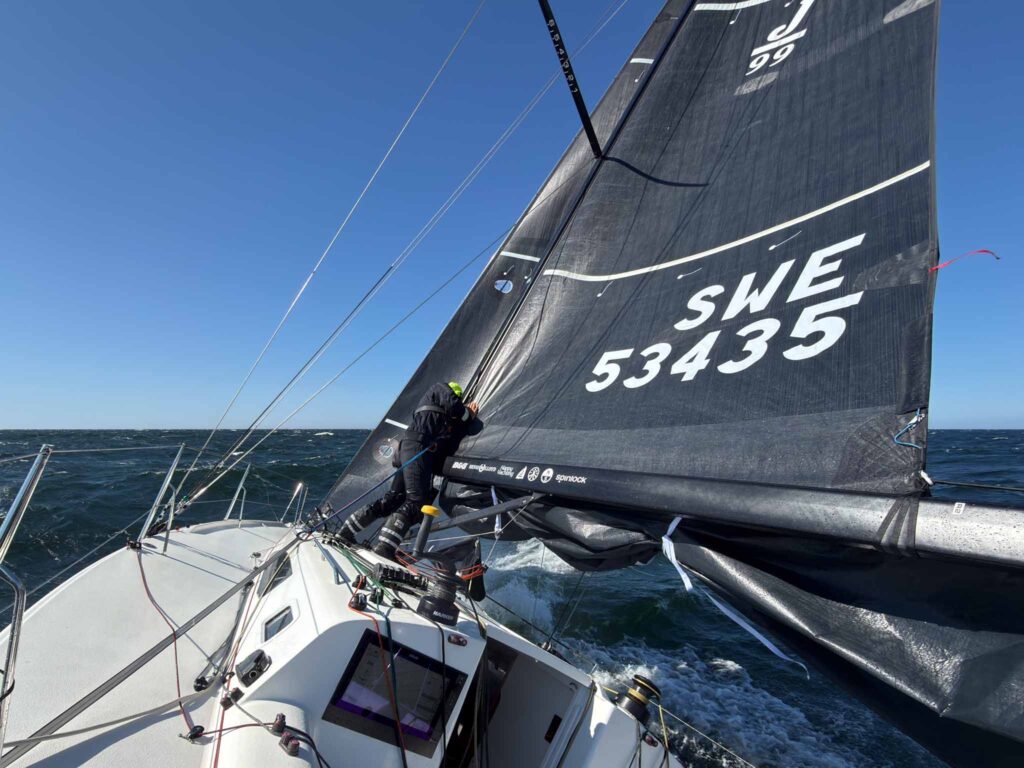
After tacking west, we decided to take a reef in the main, then when the wind built, we took both a reef in the J3.5 and a deep reef in the main. Still going fast, but easier to cope with the waves.
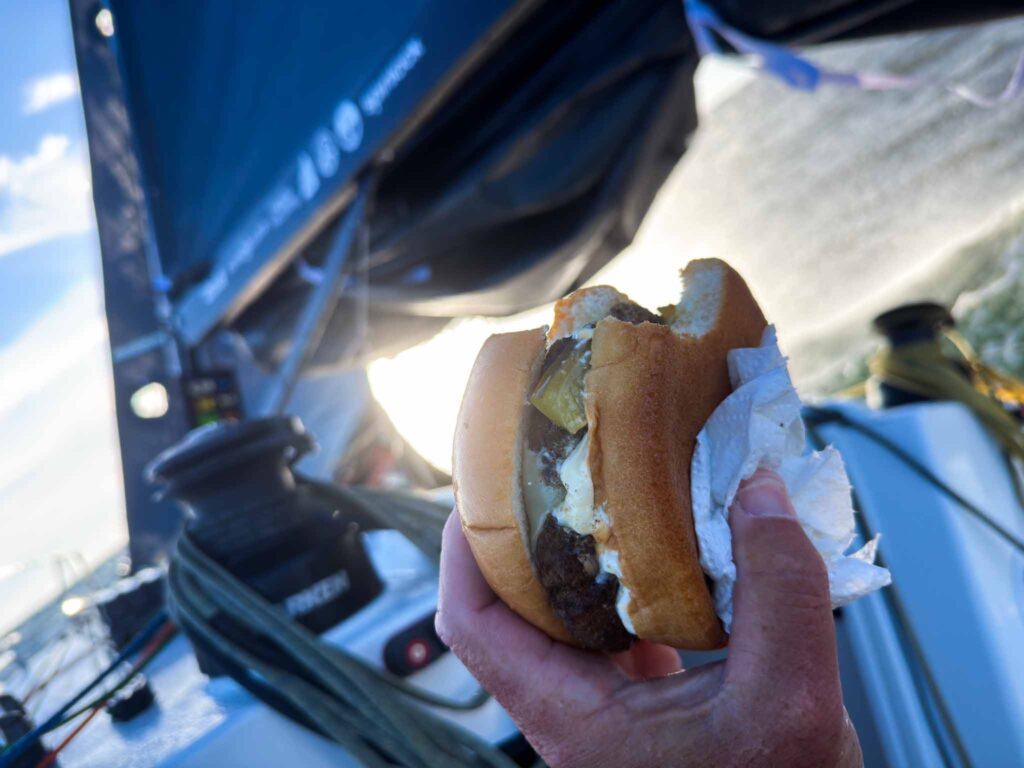
We even treated ourselves to dinner. Not bad.
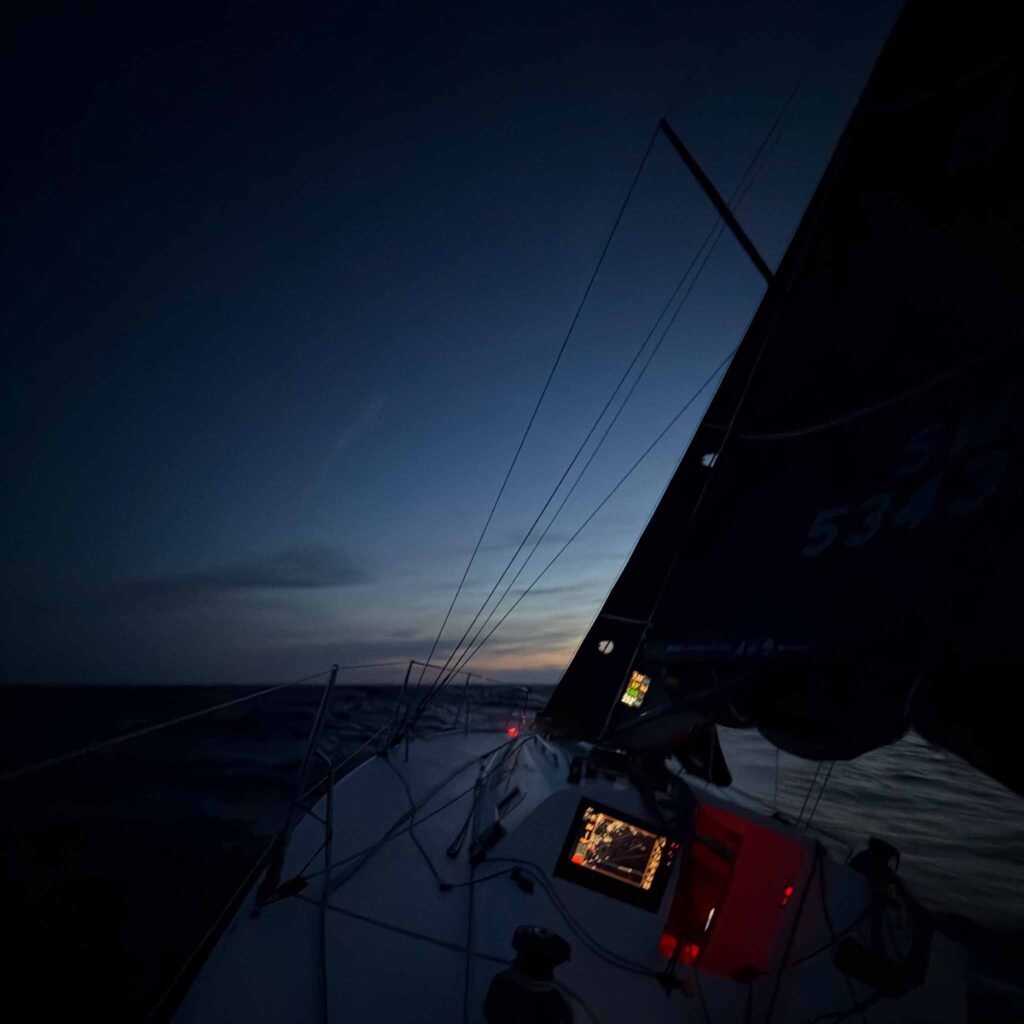
Almagrundet – the decision
Somewhere on the crossing, maybe a hundred miles out from Alma, we both started asking ourselves the question every offshore sailor knows: is this worth it, what are we doing out here, and is this even a race anymore? Neither of us said it out loud for a while. When we did, the answer came fast, because we’d been carrying it separately for hours.
Every model told the same story: upwind in a lot of breeze to the north tip of Gotland, a bit more variety round Hoburgen, then a hard NW reach in 20-30 knots with a lot more in the gusts down the last two legs. 430 nm of it. Boat fine, crew fine, nothing broken. Just no good reason to keep going that we could make ourselves believe in.
At 23:15 we pulled the plug.
Was it the right decision?
We dedicated a separate blog post to this and the discussions we’ve had afterward: “Learnings from retiring”.
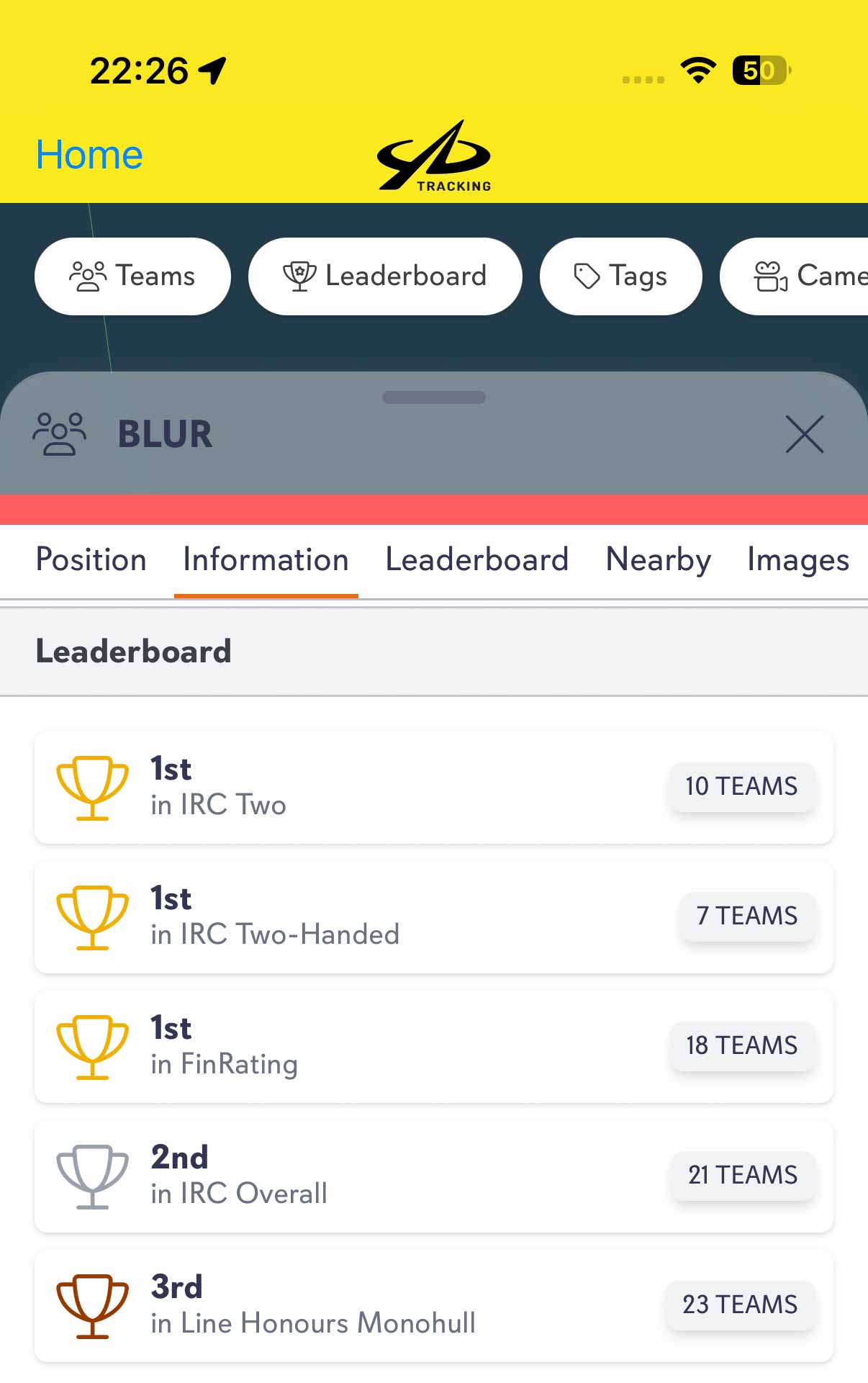
And we were not alone: Amazigh was already pointing at her home port a few hours before Alma and reported RET at 23:36, Spirit at 00:10, Stora Blå at 02:02. Four boats, same forecast, same decision within three hours.
Results
| Class | Started | Finished | Winner |
|---|---|---|---|
| IRC Overall | 21 | 5 | BEDOUIN (line honours too) |
| IRC Two | 10 | 1 | BIANCO (First 35, with SCP) |
| IRC Two-Handed | 7 | 1 | BIANCO |
| FinRating | 18 | 3 | C-ME |
Huge congrats to everyone who completed the race. Five boats out of 21 finished, and each of them earned it. C-Me is probably the toughest crew we have in Sweden, and Bianco showed what Finnish sisu can do: two-handed, all the way round, in that weather, and a class win despite a penalty. Bedouin sailed a superb race up front, and Schlüssel von Bremen and Rush ground it out to the finish. There is nothing lucky about being on that list.
Thanks to RORC and the Finnish organizers for putting on a proper offshore race in the Baltic. We’re sorry we couldn’t give you a fuller finish list. Next time.
And thanks to Mattias, who is exactly the person you want next to you when hard decisions need to be made.
What we learned – and tips for next time
On the weather models
Very happy with our setup here. FMI Harmonie and ECMWF were the two we trusted initially; MET Nordic as context; then ICON turned out to be the best poast Hankö. The global/AI models (aifs, aigfs, gfs) ranked last the first afternoon and were dropped. Since Gotland Runt, we’ve done even more work on ranking models versus our actual logged data, and this gives us confidence to play offense.
One: we sailed the boat fast
Pretty close to target upwind in 15-23 kn for 36 hours, with some discounts for slamming, and we were the third boat on the water at Alma.
Two: routing every 2-3 hours, and it paid
Seven archived routing sessions in 26 hours, plus more we ran for finer positioning around TSS and did not save. The Alma decision was made on three models that agreed. Whatever else you think of the decision, it was made on good information.
Three: sail inventory in a breeze
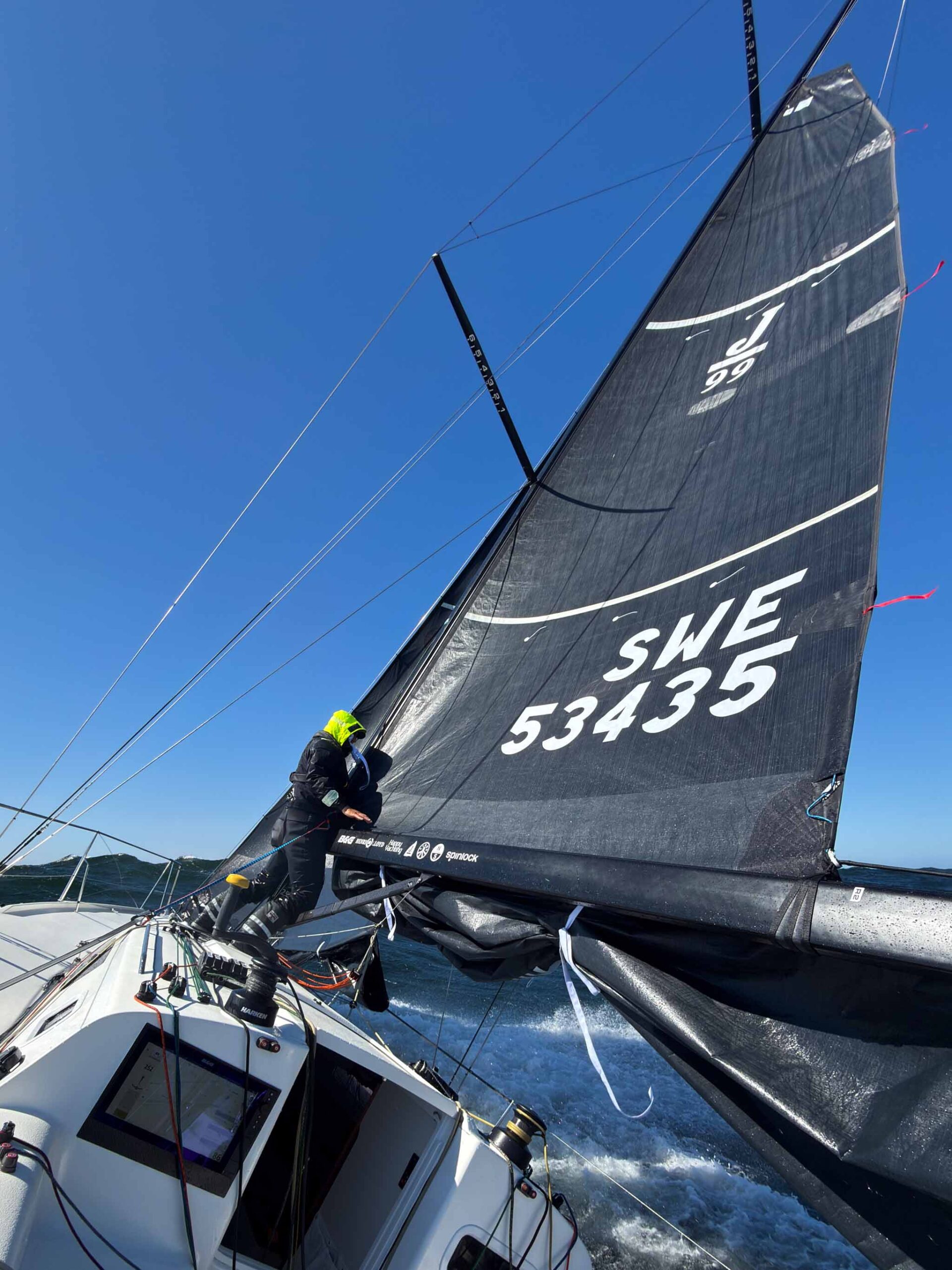
First race with the J3.5 and it works ok from 12 knots in flat water. Real crossover between J1.5 and J3.5 is probably 14-16 knots and 12-18 if you’re pushing it. Reef works great even if we need to change the halyard from a halyard lock on the fully hoisted jib to a normal one when it’s reefed. Alternatively, we could make a strop. Also need a better way to collect the foot of the sail, as we had on the J/111: chock-cord strops that are easy to attach in waves.
Reefing the main also worked well. The only issue is managing all the loose sail when going to the deep second reef. Either we fit lazyjacks, or we spend some quality time rolling the bottom half into a tidy package. Not an enviable job to leeward in fruity conditions.