Vi fick inte chansen att segla mot dem så många gånger förra sommaren, men nästa år så blir det nog fler tillfällen. Här är förresten en kul artikel ur Roderbladet.
Söndagsseglare fann sig plötsligt i VM-båt
– Vi ska segla VM i höst, kan du vara med?
Så började min seglingssäsong 2007. Fredrik som ringde hade jag träffat förra hösten när jag hjälpte honom att transportera en First 36.7 till Tjörn Runt. Våren rusade snabbt förbi med båtmekande, en och annan träning samt så många kappseglingar kalendern kunde tillåta. Den orange självlysande båten syntes på startlinjen i allt från klubbseglingar till Faerder Race i Norge.
Multisport
Snabbt förstår jag att det är skillnad på segling och segling. Som söndagsseglare ter sig den ena turen tämligen lik den andra, men ombord på en kappseglings båt får begreppet multisport en helt ny innebörd. Det är en sorts segling att tyst glida fram över en lugnt krusande fjord med solen i ryggen, och en helt annan att mitt i natten bärga spinnakern kastandes hit och dit över ett frustande hav med brytande brottsjöar.
Jag upptäcker också att segling sker inte bara på havet utan också på land. Inte minst på de större regattorna så seglas det en hel del efter målgången, på land. Då ska protester som avlagts på banan dokumenteras, höras, och förhandlas. Det är inte ovanligt att det dröjer flera timmar efter sista målgång innan en segrare kan koras.
Teknik i överflöd
Vad skiljer då en VM båt från en söndagsseglare?
Ja, det första som märks är nog farten. Jämför jag med min 80-talsbåt går det tre till fyra knop snabbare i alla lägen och ännu mer på undanvindarna.
Sedan är det också stor skill nad på tempot ombord. Hela tiden frågar vi oss:
– Hur kan vi segla snabbare? Är vi på rätt ställe på banan? Vad gör dom andra båtarna?
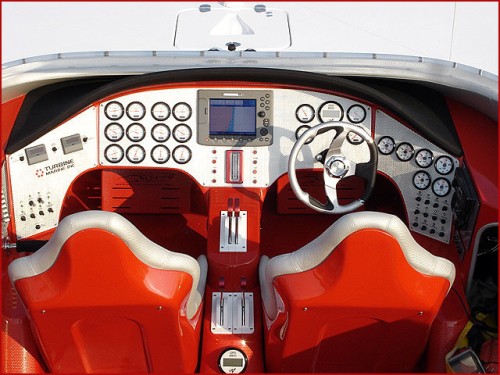
Vi letar vindskiften och strömlä, allt som kan omvandlas till fördelar. Tekniska hjälpmedel finns det i överflöd. Digitaltekniken har formligen sköljt in i sporten. Här pratar vi inte bara om elektroniska sjökort och feta färgplottrar, till exempel bär vår taktiker runt på en trådlös, vattentät PC med 12 tums pekskärm. PCn driver ett beslutstödssystem späckad med information från båtens alla sensorer. Avancerade applikationer sammanställer data om vind, ström, fart, vinklar, polardiagram, gps positioner med mera. Tillsammans utgör det ovärderlig information för taktikern att ta rätt beslut, speciellt nattetid när fan tasin om saker man inte ser kan spela en ett eller annat spratt.
Nytt språk
I den nya miljön måste jag snabbt lära mig ett nytt språk:
–Skota, SKOTA för H-E! förstår jag intuitivt vad det betyder men förkortningar som till exempel VMG och COG känns främmande. Uttryck som kinesare, mexikanare, barberhaul och layline tar också ett tag att få kläm på.
Men mest underligt finner jag nog ”nu skjuter dom apan”. Till slut är jag bara tvungen att fråga vad som menas med att skjuta den stackars apan. Ett hjärtligt skratt senare får jag förklarat att det inte är mer allvarligt än att den vit-röd-randiga flaggan som hissas vid uppskjuten start heter just AP. När flaggan hissas skjuts oftast ett signalskott, därav ”att skjuta APan”.
IMS-VM i Hankö
Sommaren är plötsligt över och det är dags för VM. Norska Hankö, som kan beskrivas som ett mellanting mellan Marstand och Sandhamn fast mycket min dre, myllrar av aktivitet. Vart man än sig vänder pratas det segling. Tyska, franska, finska, ja de flesta europeiska språk hörs.
På redden har Europas vassaste IMS båtar samlats. Det är en mäktig syn. Epoxi, kolfiber, titan, dubbla rattar, vinschar stora som silltunnor, och överallt släpas det på segelsäckar. Jag funderar en stund på det samlade penningvärdet i hamnen, men jag vågar inte tänka färdigt den svindlande tanken.
Tävlingsformen för IMS VM är väldigt trevlig. Under en veckas tid kombatterar drygt 40 båtar uppdelade i två storleksklasser under varierande former. Tre av dagarna seglas på korta kryss/länsbanor. Mitt i veckan genomförs en lång havskappsegling med maximal tidsgräns på 48 timmar och i slutet av veckan blir det en kortare havskappseging. För att placera sig bra i resultatlistan är man tvungen att vara bra på allt.
Kinesare i natten
Inte helt oväntat är veckans höjdpunkt den långa havskappseglingen. Banan läggs mellan Persgrunden och Rakkeboene, 86 nautiska mil. Det blir en jämn start i fina soliga förhållanden med västlig vind på åtta meter per sekund, sakta ökande.
En bit in i racet kan vi dock se varthän det skulle bära. En norsk båt skörar förseglet en bit i lovart om oss. Tio sekunder efter att vi ”tyckt synd om” norrmannen som försöker bärga resterna av sin genua, fastnar vår egen fock i mantågsstöttan och river upp en lång reva. Som tur är lyckas vi snabbt tejpa ihop seglet innan revan sprider sig för långt.
Därefter gör vi några lyckade taktiska val, och med bra båtfart placerar vi oss i främre delen av fältet. Vi lägger oss på en lång sträckbog och kan brassa på lite middag. Några timmar senare rundar vi upp det sista märket och sätter spinnakern mot mållinjen. Sjön som nu kommer akterifrån stiger dramatiskt när vi närmar oss kusten. Vi surfar nerför branterna med drygt 13 knop och det hörs glädjetjut från besättningen.
Varje våg utnyttjas maximalt, spinnakern skotas in hårt på våg toppen och släpps ut i dalen. Vi får byta grinder var femte minut för att hålla tempot uppe. Det mörknar fort och glädjetjuten övergår i spänd tystnad. Allvaret infinner sig. Båten ormar sig fräsande fram i vågorna. Rorsman får kämpa för att reda ut rullningarna som orsakas av vår platta kurs, den överriggade spinnakern, och djupa vågdalar.
Till slut händer det oundvikliga. I kolmörkret broachar vi kraftigt mot lovart, pendlingen tillbaka åt lä blir omöjlig att parera och båten lägger sig helt på sidan, Jag hör någon som skriker:
– Se upp för bommen! Bommen far över sittbrunnen med swoosh följt av ett otäckt brak. – Nu tappar vi riggen, tänker jag. Men den håller. Problemet är bara att båten lutar nu om möjligt ännu mer. Johannes som skötte lovartsvinschen blir överspolad av nästa våg. Han lyckas hålla sig kvar i båten med hjälp av spinnakerskotet men flytvästen löser ut av vattentrycket. Mycket värre än så blir det inte.
Båten reser sig och med gemensamma krafter bärgar vi spinnakern, reder ut röran av riggdelar och seglar sen vidare. Spinnakern får stanna under däck resten av natten, vi känner oss helt nöjda med en liten fock de sista timmarna fram till målgången.
Snöpligt slut
Hur gick det då i tävlingen?
Svaret på det är att det gick okej. Vi hade inga förväntningar på att blanda oss i toppstriden men man hoppas ju alltid att man ska ha en chans. Vi placerade oss som elfte båt av fjorton deltagande i vår klass. Det får anses som godkänt med tanke på att vi var tvungna att bryta efter knappt halva VM veckan. Mitt i en spinnakersättning slet nämligen spinnakergasten av ett korsband och föll ihop på fördäck. Vi behövde inte fundera länge om det skulle gå att fortsätta tävlandet med en man kort under rådande väderförhål landen. Det var tyvärr bara att lämna in.
Hur vi sen fick infallet att snabbt efteranmäla oss till Tjörn Runt och på 12 timmar transportera hela vår flytande cirkus 120 nautiska mil söderut till starten utanför Almösund, det är en helt annan historia…
Henrik Olsson
Söndagssegalare från Killingsholmen