

Skaw Race Light 12-13 juni?
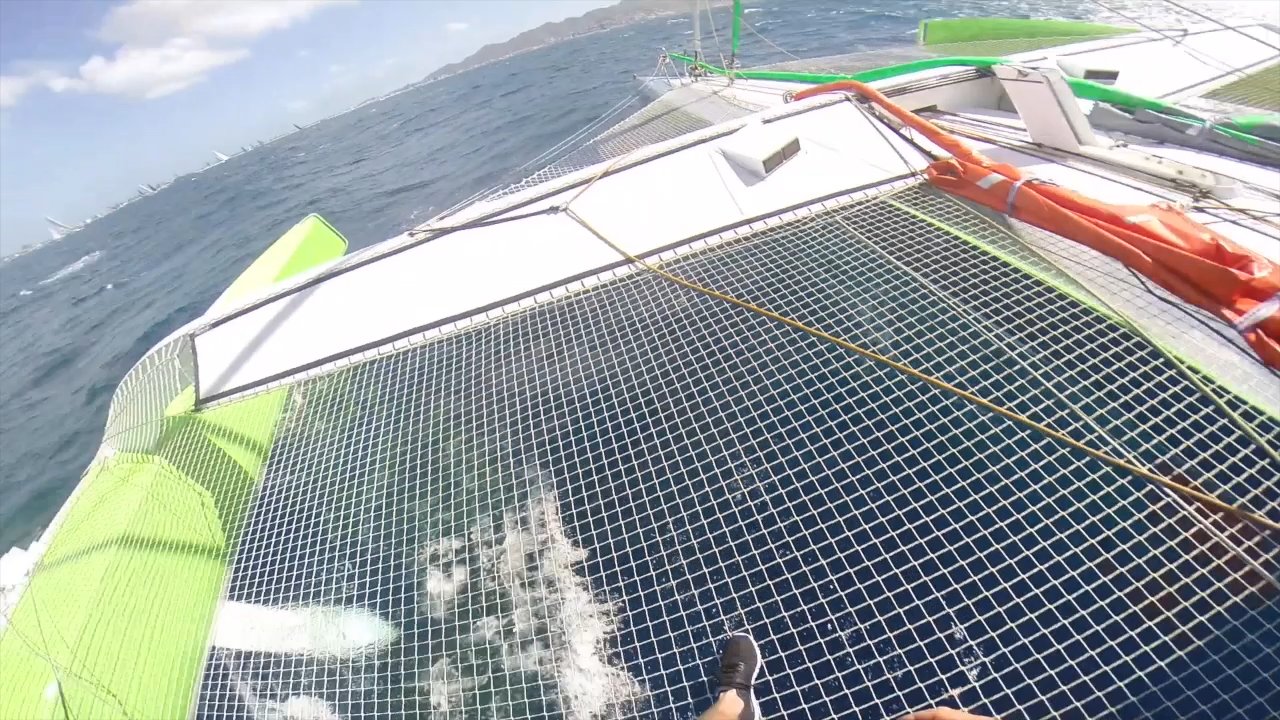
Foto: Joakim Hermansson.
En av de saker som glädjer mig allra mest är när folk tar upp kappseglingen igen efter långa uppehåll. I Långedrag har det legat en jättefin Swan 40. En klassisk S&S som nyligen fått mesanmast och en fin segelgarderob. Förra året körde man Septemberseglingen och nu är man på väg till ÅF Offshore Race.
Så himla kul!
Och när de behöver lite träning innan så drar de en repa ut på Skagerrak. Och det kan vara ett bra sätt för oss också att få lite timmar på öppet hav inför Fastnet. Det är samma helg som Færderseilasen, men jag tror detta kan ge bättre träning på att driva båten hårt på havet.
Kanske finns det fler som är intresserade? En perfekt uppladdning för Göteborg Opensea Race i augusti…
Vi är en GKSS-besättning som skall segla Gotland Runt (ÅF Offshore Race) 2016 och behöver träna offshore långdistans vilket är rätt svårt att hitta i det västsvenska utbudet av seglingar på försommaren.
Vår båt är en gammal S&S Swan 40, upprustad och delvis förlängd till idag att vara en 44 fots yawl som heter PENÉLOPE.
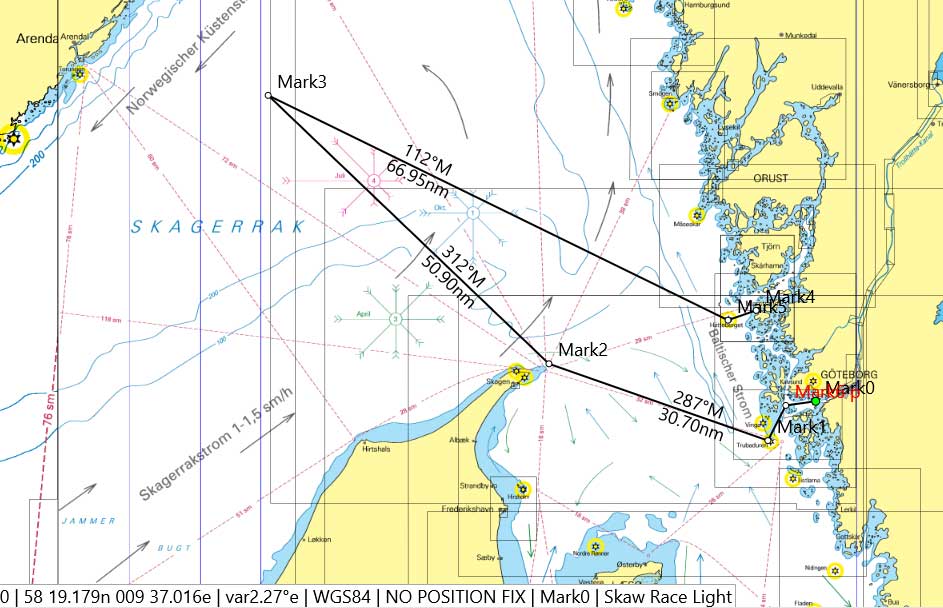
Så vi bestämde oss för att utmana några andra båtar på en egen träningsrunda i form av något som påminner om ett kortare Skaw Race. Vi seglar utan sanktion eller organisation från någon segelklubb, så helt privat och på egen risk.
Vill du anta utmaningen, två andra båtar har gjort det, bl a Blur med Peter Gustafsson som skall segla Fastnet Race senare denna sommar och Håkan Palm från Öckerö.
Datum/tider
Fredag 12/6 Start tidig morgon kl. 07.00 utanför Älvsborgs fästning
Lördag 13/6 Mål ca 15.00 – 18.00 vid Strandverket i Marstrand + lite aftersail och gemensam middag.Föreslagen bana
Start mellan märke 30 och 31 i Göteborgs hamn
Måvholmsbåden (BB)
Trubaduren (SB)
Nordmärke Q NO Skagen (SB)
Märke X, GPS-position mellan Skagen och Norge, annonseras på skepparmötet
Hätteberget (BB)
Mål: syd Strandverket, MarstrandLängd 160 distans (beroende på vindprognos finns lite alternativa rundningar som vi tillsammans fastställer kvällen innan kl 19.00).
Regler
Sjövägsregler (alltså ej kappseglkingsreglerna).
Vi räknar inofficiella tider enligt SRS. Eftersom det är mer än en båt så blir det väl lite av en tävling.
VHF och sändande AIS är lämpligt.Vill du vara med eller undrar om något hör av dig till mig:
Stefan Holmgren, 0708-730750 eller stefan.holmgren@stensvreta.se

Reparationerna av Vestas Wind
Matthew Sheahan har varit på Persico i Italien för att se hur det går för Team Vestas.
Min bild av Vestas som en PR-katastrof ändras knappast när det är Yachting World som berättar storyn. Skulle inte Vestas göra detta till en engagerande historia om “the race to rejoin the race”?
I stället är det locket på. Eller så bryr man sig inte. Inte en nyhet på teamets hemsida sedan i januari då man transporterade båten i januari. Samma sak på Instagram. Och på Twitter har det gått över en månad sedan vi fick veta något om hur det går. Kom igen!
“Stay tuned for frequent updates” låter som ett tomt löfte från ett team som struntar i sina fans.
Recovering a wrecked Volvo 65 from a remote reef in the Indian Ocean was one thing, rebuilding it to within a few kilos of her original 12.5 tonne weight would be an outstanding achievement, especially in a third of the time it took to build her originally. Matthew Sheahan went to Persico in Italy to see how the team was going about this monster task and how they would go about getting their boat back in the Volvo Ocean Race.

Sail Racing klär Oracle och America’s Cup
I år känns det ju som att Göteborg är seglingens huvudstad. Med målgång på Volvo Ocean Race, AC World Series och mycket annat kul så är det här det händer.
Då är det ju passande att Sail Racing, ett litet bolag från Billdal strax söder om stan, blir de som skall klä upp både team Oracle och vara Official Clothing Partner till hela America’s Cup.
Här är en bra artikel i DI för er som är intresserade av affärs-sidan.
Att grannarna 200 meter bort, Pelle P, är partners till Artemis gör det hela ännu roligare. Mer konkurrens i kvarteret…
Stort lycka till säger vi till Martin, Henrik, Lasse och alla andra på Sail Racing!
Sail Racing teams up with the America’s Cup and
ORACLE TEAM USA as Official Clothing PartnerSail Racing, the innovative clothing company that designs and manufactures high performance marine gear, has become the Official Clothing Partner for the America’s Cup and ORACLE TEAM USA.
As an Official Partner to ORACLE TEAM USA, Sail Racing will provide technical clothing designed to enhance the performance of the crew.
“We’ve already started to test some of the gear during our training session in San Francisco last month,” said ORACLE TEAM USA skipper Jimmy Spithill.
“The first impression is very positive and I think it’s to our benefit that our sailors are assisting with the design of what we will end up wearing on the race boat over the next two years,” Spithill said.
Based in Sweden, Sail Racing was created in 1977 and is focused on designing and constructing the most innovative and technical gear for high speed sailing.
The Sail Racing development team consists of apparel designers, industrial designers and a 3D animator, all committed to discovering new materials, achieving the best fit, and creating the most appealing designs from input provided by professional sailing athletes.
“We are very proud to be the official clothing partner to the America’s Cup and to ORACLE TEAM USA, the fastest team in the world’s most prestigious sailing events,” said Joakim Berne, Project Manager at Sail Racing International.
“The ORACLE TEAM USA sailors will be highly involved in the development of our new technical products. All the feedback on existing products, new ideas and evaluation equipment used under extreme conditions will be very important for our product and development team.“
As an Official Partner to the 2017 America’s Cup, Sail Racing will also design and manufacture official America’s Cup merchandise that will be made available through an online store, as well on site at America’s Cup World Series events around the world and at the America’s Cup race village in Bermuda, the home of the 2017 America’s Cup.
“We will build a merchandise store at all of these events where we will offer a wide range of merchandise products for the America’s Cup and the host events of the America’s Cup World Series,” Berne said. “In addition, Sail Racing will supply technical gear and shore clothing to all staff of the America’s Cup.”
Official team and event merchandise will be available through the online store via www.americascup.com beginning in June of this year, with the first America’s Cup World Series event in Cagliari, Italy.

Vestas grundstötning | oberoende rapport
Ladda ner rapporten här (backup).
Nu har den oberoende rapporten presenterats i Auckland. Det är ett gediget arbete av tre mycket rutinerade personer, så den är väl värt att läsa om man vill förstå vad som gick snett, och hur man skulle kunna förebygga detta framöver.
Analysen är i linje med vad jag trodde i mitt tidigare inlägg här:
Why did Vestas Wind run aground
122. The simple cause of the stranding was that the crew was completely unaware of the presence of any navigational danger in the vicinity of the boat. Consequently no avoiding actions or precautions were taken that would have prevented the grounding. The Cargados Carajos Shoals were incorrectly thought to be safe to pass over and incorrectly thought to have a minimum charted depth of 40m.
123. Contributing factors were:
– deficient use of electronic charts and other navigational data and a failure to identify the potential danger, and
– deficient cartography in presenting the navigational dangers on small and medium scale (or zoomed out) views on the electronic chart system in use.
124. The failure to identify the danger had a very significant consequence in this event. The VO65 is a powerful ocean racing boat that is being sailed close to its limits, in an extreme race with a relatively small crew. In managing this complex arrangement a single error can have a multiple and catastrophic impact in the organisation of the scarce available resources and the best use of the equipment available in the boat.
125. As in most accidents there were a number of other factors which did not directly cause the incident but they did influence the environment in which it occurred. These include:
– the late formation of Team Vestas Wind,
– a short preparation time at Cape Town for the next leg,
– a hectic last few days of program pre-race at Cape Town,
– a late change to the SI with an amendment to the exclusion zone and the permitted racing area,
– the position and timing of the tropical depression,
– a taxing routine for the skipper and navigator during the race, and
– no access to planning support after the start.126. The Report Team is of the view that these factors are an integral part of the race and make up its character as ‘Life at the Extreme’. All but one is common for all boats in the Volvo Race and did not create a unique situation for Vestas Wind. The remaining factor was an informed decision and a risk to its competitiveness that was accepted by Team Vestas Wind. At no time did the crew believe that their short preparation time decreased their safety. They had high levels of confidence regarding the experience within the team and in the boat. The risk was considered to be their competitiveness due to their initial unfamiliarity in how to race the boat.
Värt att notera…
Chris Nicolson säger att han inte har “detailed knowledge of navigation and all the navigation systems available in the boat.” Tillåt mig tvivla. På många andra båtar hade skepparen en tydlig roll som co-navigatör.
Vestas hade inte en full uppsättning C-MAP på den sekundära datorn med Adrena. Varför? För att spara några kronor?
Att byta batterier till LiFePO₄ har ju blivit poppis, men låter inte som en bra idé om man tar in vatten?
VOR får en del kritik för NoR och SI, stressade funktionärer och för tajt schema i hamn. Detta gör att navigatörerna har svårt att förbereda sig på bästa sätt. Dessutom ändrade man banan väldigt sent. Trots att olyckan troligtvis hade kunnat undvikas genom förändringar här, väljer VOR att kalla dessa rekommendationer “mindre”?
Bilaga F är en checklista, “Recommended Guidelines for Passage Planning and Racing Using Electronic Charts”, som säkert kan vara användbar även i andra sammanhang.

En oberoende expertpanel har undersökt Team Vestas Winds olycka som inträffade under den andra etappen av Volvo Ocean Race. De presenterar nu en rapport om incidenten som bland annat innehåller en rad rekommendationer för hur man kan förbättra säkerheten för alla havskappseglingar.
Framförallt föreslår rapporten att digitala sjökort och annan mjukvara som finns ombord kan förbättras för att liknande olyckor ska undvikas i framtiden.
Den 29 november 2014 gick den danska båten Team Vestas Wind, med australiensiska skepparen Chris Nicholson, på grund och fastnade uppe på ett rev vid Cargados Carajos Shoals mitt ute i Indiska Oceanen under den andra etappen från Kapstaden till Abu Dhabi. Besättningen tvingades överge båten men samtliga i laget klarade sig utan skador.
Den skadade båten kunde senare bärgas från revet och repareras nu på båtvarvet Persico i Bergamo, Italien. Förhoppningen är att laget ska kunna vara tillbaks i tävlingen från och med hamnstoppet i Lissabon Portugal i juni och sedan delta i de två sista etapperna.
Rapporten om incidenten beställdes av tävlingen Volvo Ocean Race och har gjorts av en oberoende panel som bestått av kända experter på området – konteramiral Chris Oxenbould (ordförande)*, Stan Honey och Chuck Hawley**.
Panelen säger i rapporten att deras slutsatser om vad som hände baseras på intervjuer med besättningen, tävlingsledningen samt andra berörda parter och data som samlats in från incidenten är inte omstridd.
”Laget var ovetande om navigationsfaror i deras närhet, fastställde felaktigt att det grundaste djupet vid Cargados Carajos Shoals var 40 meter och uppfattade det som att det var säkert att segla över revet”, sammanfattade panelen.
Panelen har inte fördelat skuldbördan bland seglarna i laget men dragit följande slutsatser:
i. Det fanns brister i användandet av de elektroniska sjökort och annan navigationsutrustning ombord på Vestas Wind.
ii. Det fanns också brister i kartografin för de sjökortsverktyg som användes när det gäller hur de visade navigationsfarorna i liten och medelstor skala på korten.
iii. Hanteringen av nödsituationen fungerade väl, och det fanns ingenting inom administrationen eller i tävlingsledningen som bidrog till att olyckan inträffade.
Panelen huvudsakliga rekommendationer är:
i. Att framtagna riktlinjer för hur digitala sjökort ska användas antas i tävlingen och att de är föremål för kontinuerlig granskning och utveckling.
ii. Att leverantören av sjökortet som användes och tillverkaren till en av de navigationsmjukvaror som fanns ombord meddelas om de upplevda bristerna.
Rapporten innehåller också fem mindre rekommendationer (sida 63, paragraf 262) som relaterar till hur tävlingen genomförs.
Enligt Volvo Ocean Race VD Knut Frostad kommer samtliga rekommendationer att övervägas av evenemanget.
– Vi planerar att sprida riktlinjerna till skeppare och navigatörer (enligt rapportens rekommendation) här i Auckland, och att vi inkluderar dem i vårat ”Notice of Race” i framtiden.
– Vi vill att rapporten ska bli ett användbart dokument för alla havskappseglare. Olyckor kommer alltid att inträffa till havs – vi hoppas att göra dem mindre sannolika.


IMOCA 60 Safran | the Dali moustache
Den nya generationen IMOCA är ju exakt hur coola som helst!? Som små rymdskepp som kommer att segla på rekordtid runt jorden.
Man har ju ändrat en del i regeln, och det skall bli spännande att se hur mycket snabbare båtarna blir. Genom att göra kölfena och master “one-design” så hoppas man också på att få koll på kostnader och skapa lite extra säkerhetsmarginaler.
Man har också inför begränsningar i försektionerna för att det inte skall laboreras med för mycket scow-form.
For greater reliability and better cost control:
the keel and the masts are standardised,
limited use of ‘exotic’ materials.For greater simplicity:
the 10° criteria (maximum heeling angle in class measurement configuration, in a static condition) has been removed, thus making possible ballast tanks more viable;
ballast tanks are limited to 4 in total (compared with 8 or more previously), two on each side in any position. The volumes are reduced and the boats are lighter with the equivalent power.To contribute to the uniformity of the fleet:
The Righting Moment (or RM) is amended to 25.5 tonne-metres at 25° heeling angle;
Ultimately the power to weight ratio between the existing boats and the new craft should remain more or less the same;
The maximum weight of the keel bulb is set at 3,100kg to limit the weight gain in the new boats and stay in harmony with the existing boats;
The AVSwc* is set at 110°, which equates to its previous value; of note is the fact that the IMOCA 60s haven’t capsized since this value has been adhered to. This 110° becomes an important value, which will limit the volume of the ballast tanks controlled in other respects by the limitation of power.

On Thursday, February 5 at 1730hrs (French time) at the CDK boatyard in Lorient, Safran, the new IMOCA 60 skippered by Morgan Lagravière was launched for the first time. After a year of construction in Port-La-Forêt and then Lorient, the VPLP-Guillaume Verdier-designed boat, the first of the new generation of 60ft boats built for the 2016 Vendée Globe, has been unveiled to the public.
The launch of a boat is always loaded with emotion, especially when it includes significant technological developments. “2014 has been a year of transition for me, I immersed myself in the construction of my boat, while dreaming of the time when I could get into the optimisation and competition phase,” Morgan Lagravière, skipper of the new Safran, said. “Now, I can’t wait to sail this boat, and that moment is almost here.”
A long-term project, now realised
Since 2013, the Safran Sailing Team and the architects Guillaume Verdier and Vincent Lauriot-Prévost, have been working on this project to create an innovative boat with maximum performance, which responds to the new IMOCA rules. Safran has a powerful hull with foils (designed to support lift to relieve the hull on downwind angles and thus gain speed), a rotating wing mast set further back, a deeper and lower cockpit and a pronounced front section of the hull. “The new rule, which requires all boats to have the same keels and the same masts (wing or classic but standardised), was ultimately not a constraint, but probably a way to innovate again,” Lagravière said. “For my part, I worked especially on the cockpit. The two transats I did onboard the first Safran gave me experience.”Marc Guillemot, skipper of the first Safran, had a major role in the development of the new IMOCA 60, and was able to bring his rich experience of more than thirty years of competitive sailing on all the world’s seas. “It was two years of hard but really rewarding work,” Guillemot said on this important occasion. “I think the design of the new Safran would not have been the same if it hadn’t been inspired by my experiences. I remember having lots of discussions in the last Transat Jacques Vabre. I’m very pleased to have been part of this project.”
The launch of the beautiful, sleek 18.28m long and 5.80m wide Safran, which wears the number 25, was an intense moment for all the CDK team and the Safran Sailing Team.
Morgan Lagravière said: “I didn’t expect to feel so many emotions during this launch. I’ve just taken the helm of Safran for the first time and I had the feeling of already having a connection with my boat. It’s a huge pleasure for me but also for the whole team who have built a magnificent boat. I’ve just experienced a very important moment in my life as a sailor.”
The new Safran in brief
The hull is wider with a large bow to be clear forward and keep the hull balanced even when the boat heels.
The bilge is higher to increase power.
The cockpit is deeper and lower for better protection.
A rotating wing mast with outriggers for better aerodynamics.
A lift supporting design: foils like a “Dali moustache” to increase power.Technical specifications
LAUNCH DATE: March 5, 2015
HOME PORT: La Trinité-sur-Mer (Morbihan / France)
ARCHITECTS: The VPLP firm and Guillaume Verdier
LIVERY / VISUAL DESIGN: Isabelle Keller
MANUFACTURER: CDK naval boatyard
LENGTH: 18.28m (60ft)
BEAM: 5.80m
HULL DRAUGHT: 4.50m
MAST: Rotating wing
MAINSAIL: 160m²
GENNAKER: 280m²
SOLENT: 150m²
STAYSAIL: 100m²
iPad som mastdisplay?
Veckans läsarfråga.
Jeg ser på ulike løsninger for mastedisplay på båten min. I den forbindelse har jeg oppdaget at det nå er gode muligheter for å sende data fra båtens instrumenter/givere via wifi, og at dette kan presenteres på en tilsynelatende god måte på f.eks. ipad. Dersom man bruker en sender i fra vYacht, programvare fra iRegatta og en iPad, så kommer man opp med et system som er rimeligere og mer fleksibelt enn tradisjonelle mastedisplayer.
Kjenner du til om noen har gjort erfaringer med bruk av iPad som mastedisplay? Vet du hva slags case og brakett som kan brukes til et slikt system?
Jeg ser du snakker om en test med sammenligning av ESA regatta og iRegatta, det blir interessant å se denne når den kommer. Du kan jo vurdere om det kan passe å teste systemene som displayer også.
Lagen till Allsvenskan 2015 klara
Nu har SSF lagt ut lagen som kommit med i Allsvenskan 2015.
Hela deras release här.
Ekerö Båtklubb, EBK
Ekolns Segelsällskap, ESS
Göteborgs Kungliga Segelsällskap, GKSS
Halmstads Segelsällskap, HaSS
Hjuviks Båtklubb, HjBK
Kungliga Svenska Segelsällskapet, KSSS
Kullaviks Kanot och Kappseglingsklubb, KKKK
Lerums Segelsällskap, LeSS
Långedrags Segelsällskap, LdSS
Malmö Segelsällskap, MSS
Oxelösunds Segelsällskap, OXSS
Sotefjordens Segelsällskap, SFSS
Stockholms 606 Klubb, S606K
Strängnäs Segelsällskap, SÄSS
Trälhavets Båtklubb, TÄBK
Värmdö Jolleseglare, VJS
Wikens Båtselskap, WBS
Örnsköldsviks Segelsällskap, ÖSS
Har ni några favoriter?